The Silent Impact of Chronic Stress on Your Pelvic Floor
Most women know what it’s like to carry stress in their shoulders or stomach, but far fewer realise that chronic stress can also create tension in the pelvic floor muscles. Stress can go deeper than you think. These supportive muscles play a major role in bladder control, sexual health, core stability and overall comfort. Yet emotional stress, daily overwhelm and even past experiences can all quietly affect how these muscles function.
In this article we explore how chronic stress impacts the pelvic floor, why emotional tension often settles in the pelvis and what you can do to restore balance and ease.
If you're having pelvic floor issues, book an assessment with us now for advice and a practical plan to get your pelvic muscles working as they should.
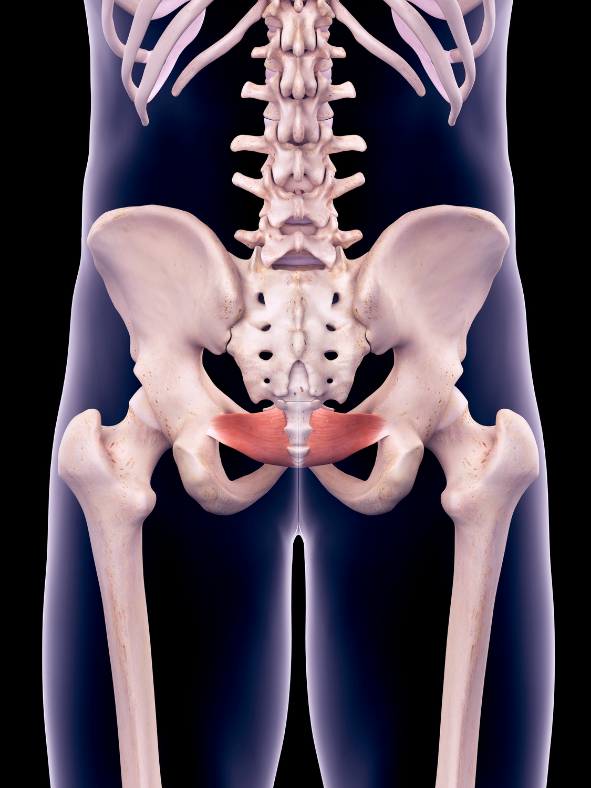
What is the Pelvic Floor?
The pelvic floor is a bowl-shaped group of muscles that stretches from the pubic bone to the tailbone. It supports the bladder, uterus, and rectum, and works with the diaphragm and abdominal muscles to form your core.
Why women should care about their pelvic floor
- Supports pelvic organs
- Helps control the bladder and bowels
- Contributes to sexual arousal and orgasm
- Influences posture and stability
- Responds to emotional and neurological stress
Because the pelvic floor is connected to the breath and nervous system, it’s especially sensitive to chronic emotional tension.
What can weaken the pelvic floor?
A number of common life events and physical stresses can strain or weaken your pelvic floor muscles over time. These include pregnancy and childbirth, hormonal changes during menopause, chronic constipation or straining, high-impact exercise, prolonged heavy lifting and even being overweight. Persistent coughing, previous pelvic surgery, and chronic stress can also contribute to dysfunction in this area.
Impact of a weakened pelvic floor
When the pelvic floor muscles lose strength or coordination, they may struggle to properly support the pelvic organs or regulate pressure within the core. This can lead to symptoms such as urinary or faecal leakage or incontinence, pelvic or low-back pain and decreased sexual sensation. Some women may also experience pelvic organ prolapse, a feeling of heaviness or bulging in the pelvis caused by the organs shifting downward. Over time, these changes can affect your daily comfort, confidence and overall quality of life.
How Chronic Stress Affects the Pelvic Floor
When you’re stressed, your body shifts into fight-or-flight mode. Stress hormones surge, your breathing becomes shallow and muscles all over the body tighten, including—often unconsciously—the pelvic floor.
Common stress responses that affect pelvic health
- Clenching or tightening the pelvic muscles
- Shallow or chest breathing, which limits pelvic floor movement
- Constantly engaging the core (“sucking in your belly”)
- A heightened nervous system that encourages muscular guarding
Over time, this creates a pattern of pelvic floor overactivity. This is a state where the muscles stay partially contracted instead of moving freely.
Emotional Tension, Trauma and the Pelvic Floor
Many women don’t realise that the pelvic floor can store emotional stress. The pelvis is associated with safety, intimacy, reproduction and vulnerability. For these reasons, it's a natural place for the body to hold tension.
Common sources of emotional pelvic tension
- Long-term stress or anxiety
- Past medical procedures or childbirth trauma
- Relationship stress or sexual pain
- High-pressure lifestyle
- Unprocessed emotions or chronic worry
The symptoms caused by these conditions are not “all in your head.” Emotional stress is a physical experience, and the nervous system sends real protective signals that can keep the pelvic floor tight.

Signs of Pelvic Floor Tension
The signs of pelvic floor tension can be different for different women, but common symptoms include:
- Urinary frequency, urgency, or trouble starting
- Constipation or straining with bowel movements
- Pelvic pain, pressure or burning
- Pain during intercourse (dyspareunia)
- Low back or hip pain
- Difficulty relaxing the abdomen
- Breath-holding or “gripping” through the core
- A sense that the pelvic muscles never fully let go
If any of these sound familiar, your pelvic floor might be affected by chronic stress.
The Stress–Pelvis Feedback Loop
One of the most frustrating parts of pelvic floor tension is that it feeds itself.
Stress creates pelvic tension, which in turn causes pain or incontinence or other issues, leading to yet more stress.
This loop reinforces tightness and discomfort. Understanding it is empowering; it helps women respond to symptoms with compassion rather than fear.
How to Relax the Pelvic Floor Naturally
Finding out how to relax the pelvic floor naturally doesn’t require a difficult or dramatic routine. Sometimes, the most effective tool can be small, consistent practices that calm the nervous system and encourage natural relaxation.
If these practices don't help, then a visit to a women's health physio can give you practical strategies to resolve your problems.
Book A Women's Physio Consultation Now
1. Diaphragmatic Breathing
This slow, deep breathing helps the pelvic floor move in sync with the diaphragm. This signals safety to the nervous system and reduces pelvic guarding, or unnecessary tightening.
Try this:
- Inhale gently through your nose, allowing your lower ribs to expand
- Exhale slowly, letting your pelvic floor soften downward

2. Pelvic Drop (The Opposite of a Kegel)
Instead of lifting or squeezing, practice letting the pelvic floor melt downward. This is perfect if you are one of those women who unknowingly clench throughout the day.
Visualise this:
- Your sit bones widening
- Pelvic space softening
- A gentle release rather than a push
3. Mind–Body Practices
Try some gentle practices that help release chronic guarding. These encourage body awareness and reduce nervous-system activation.
- Yoga for pelvic relaxation
- Mindfulness, grounding, or body scans
- Slow hip or pelvic mobility movements
4. Supportive Daily Habits
Small choices that you make during your everyday routine can add up to major benefits for your nervous system.
- Take breaks from sitting
- Stay hydrated
- Prioritise sleep
- Create stress-relief rituals (warm baths, short walks, stretching)
5. Emotional Processing and Support
Journaling, therapy, or talking with a trusted friend can help your body soften both emotionally and physically.
When to See a Pelvic Floor Physiotherapist
If your symptoms persist, book an assessment with a pelvic floor physiotherapist. They can assess your muscle tension, breathing patterns, and pelvic alignment, and offer a range of treatment options.
- Manual therapy (internal or external)
- Biofeedback
- Personalised exercises
- Calming techniques for your nervous system
- Posture and movement guidance
We have a range of treatments options designed to address all your pelvic health concerns.
Your pelvic floor is strong, adaptable, and deeply connected to your emotional world. If chronic stress has quietly shaped the way your pelvic floor feels or functions, you’re not alone. This is your body's way of trying to protect you.
With awareness, gentle practices, and support when you need it, your pelvic floor can learn to relax, release, and return to balance.
Book A Women's Physio Consultation Now
For advice on your women's health questions, call Magdalena on 07877 017 936 or drop PelviCare an email. Alternatively, you can book an appointment online.
PelviCare Women's Health Physiotherapy is located on the border of Greenwich and Deptford in London, serving women across South London, East London, Essex, Kent and beyond.
Recommended Articles:
Pelvic Floor 101: Why Kegels Alone Are Not Enough
Stress Management: Techniques for a Balanced Life
How Can Women’s Health Physiotherapy Help My Pelvic Floor?